Why do 70% of bespoke lighting installations fail to achieve perfectly uniform glow? The culprit is often trying to force linear LED strips into non-linear, irregular spaces.
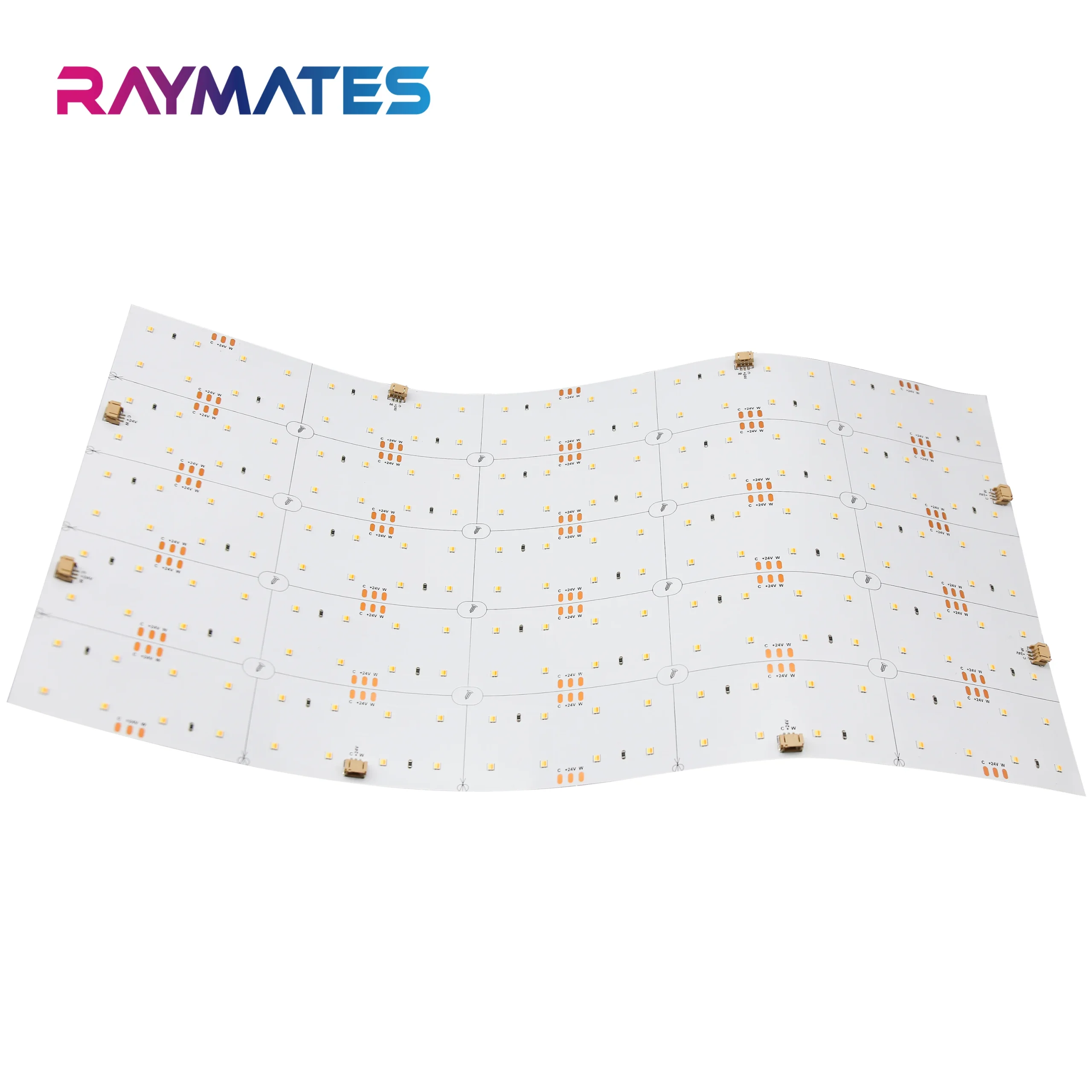
LED sheets provide a better option here. They feature a level, bendable form with straightforward cutting patterns, so creators and fitters can mold light to suit the space rather than adjusting the space around the light. For tasks needing neat borders, steady glow, and dependable operation, LED sheets serve as a top pick in areas like hotels, stores, and building lighting.
As a skilled LED maker, Raymates creates LED sheet items aimed at these tough uses, blending sliceable patterns with solid power setups and steady making quality.
Why Are LED Sheets Better Than LED Strips for Irregular Shapes?
LED strips feel common, cheap, and simple to find, yet tricky designs often stretch them past their strengths. LED sheets tackle similar issues from another viewpoint.
Uniform Light Distribution Across Complex Surfaces
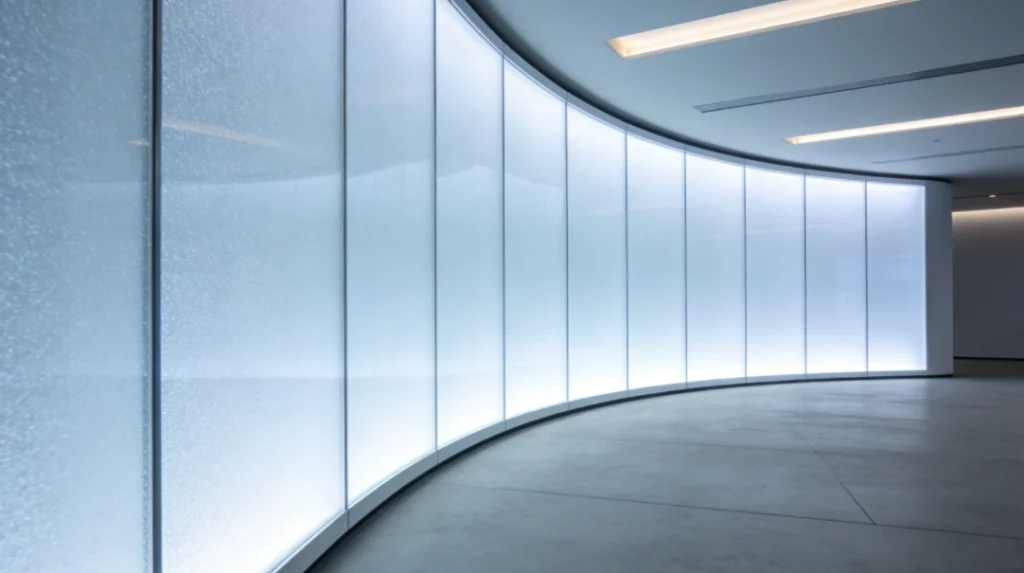
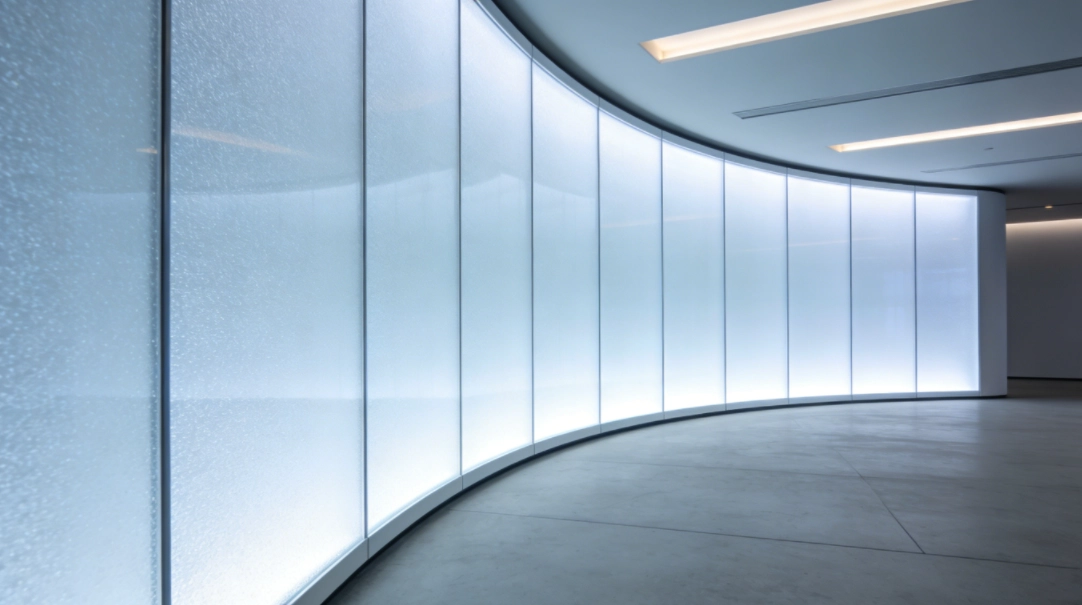
LED sheets scatter light over a full area instead of just one path. When placed behind rock, plastic, or cloth, the glow looks smooth and unbroken, even if the area twists or shifts. This prevents the “bright line, dark space” problem that arises when strips bend too much or squeeze into broad backlit zones.
Flexible Cutting and Modular Layout
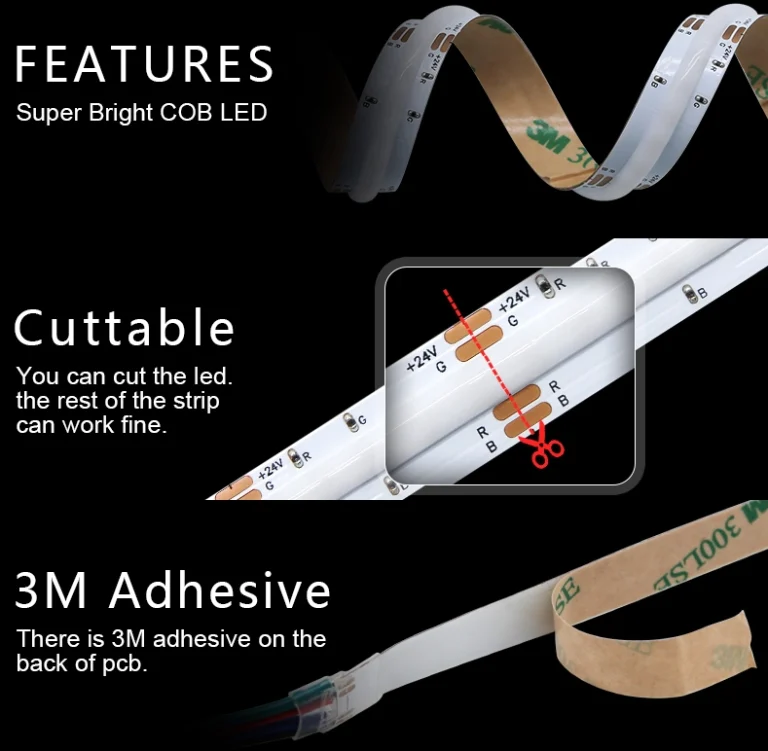
Rather than extended, thin lines, LED sheets form grids. This allows trimming parts off while the remaining panel stays powered. Handling detailed outlines, soft corners, and inner openings becomes less complicated, particularly in sizable decorative boards.
Easier Integration for Backlighting Applications
In signs, racks, tops, and wall displays, LED sheets cut down on stacked setups. They involve fewer pieces, make gap planning easier, and let fitters spend less effort tweaking strip spots to even out the glow.
Transition:
After sorting the general form, precision comes next. Slicing LED sheets seems basic, but bad cutting plans can turn a tailored panel into waste fast.
Can LED Sheets Be Cut to Fit Irregular Shapes?
Not every LED sheet cuts the same way. The key difference rests in the circuit and LED placement.
Pre-Defined Cutting Points
Smartly made LED sheets show plain cut lines that match the power setup. Each sliced part keeps balance and gets power right. This proves vital in tailored jobs, where fitters might slice many tiny bits right there on location.
Edge Consistency After Cutting
Once sliced, the glow along borders should remain level. Top LED sheets hold steady LED gaps and current movement, skipping dim edges or tone changes. This counts extra in seen setups like store tops and resort highlights.
Reduced Material Waste
Exact cut spots lead to fewer errors and smaller waste. In business jobs with strict funds or unique forms, this builds up soon. Fitters can slice nearer to the real plan instead of adding spare edges “for safety.”
Slicing fixes the form, but power and signals must still travel over the panel. That leads to the following issue: linking everything securely and neatly.
How Do You Connect LED Sheets After Cutting?
Links mark where lots of lighting issues begin. Weak joins, power falls, and uneven burdens can cut product life short or spark clear flickers. In a recent hospitality project involving 200+ lensed LED sheets, our engineering team found that using 18AWG wiring for inter-sheet connections reduced voltage drop by 12% compared to standard thin-gauge wires.
Modular Connector Systems
LED sheets made for jobs often back easy-fit connectors or plain solder spots. This quickens fitting and drops the chance of poor joins, above all in big panels with several parts.
Stable Power Distribution
Solid setups let power spread evenly over the sheet, even post-slice. Side-by-side power routes aid in dodging power drop, a usual trouble when lighting vast twisted zones with lengthy strip paths.
Layout Flexibility for Large Panels
For wide areas, LED sheets split into sections while holding even glow. This eases fixing problems and offers creators greater say in setup planning.
Various jobs also call for varied light actions. Some require sharp push through heavy stuff, while others seek gentle and broad spread. That pick starts with the LED sheet build.
Which Raymates LED Sheets Work Best for Irregular Designs?
Raymates crafts LED sheets with varied light and build methods, so creators can pair the item to the task instead of using one fix all over.
Lensed LED Sheet for Focused and Deeper Illumination
Lensed LED sheets employ extra lenses to guide light paths. This fits them well for backing rock, marble, or thick boards where plain sheets might fade in strength. The aimed output aids light to reach farther while the area stays level.
Matrix LED Sheet for Even and Wide Backlighting
Matrix LED sheets aim for sameness. With thick, level LED placements, they suit well behind light boxes, case displays, and big decor boards. The outcome brings soft, matched light free of bright spots.
Choosing Based on Application Needs
For deep stuff or bold effects, lensed builds fit. For big, clear areas where ease and smoothness count, matrix patterns often suit better. Pairing the sheet kind to the use saves time in fitting and cuts later tweaks.
Past product build, lasting work hinges on how steadily those items get made. Here, the maker’s method counts as much as the plan.
What Makes Raymates LED Sheets Reliable for Custom Projects?
Tailored lighting jobs allow scant room for shifts. One poor lot can mess up a whole fitting.
Consistent Manufacturing Standards
Raymates runs its own plant with set steps and watched assembly. Modern SMT tools and internal checks keep glow, tone, and power work steady over lots.
Global Certification and Compliance
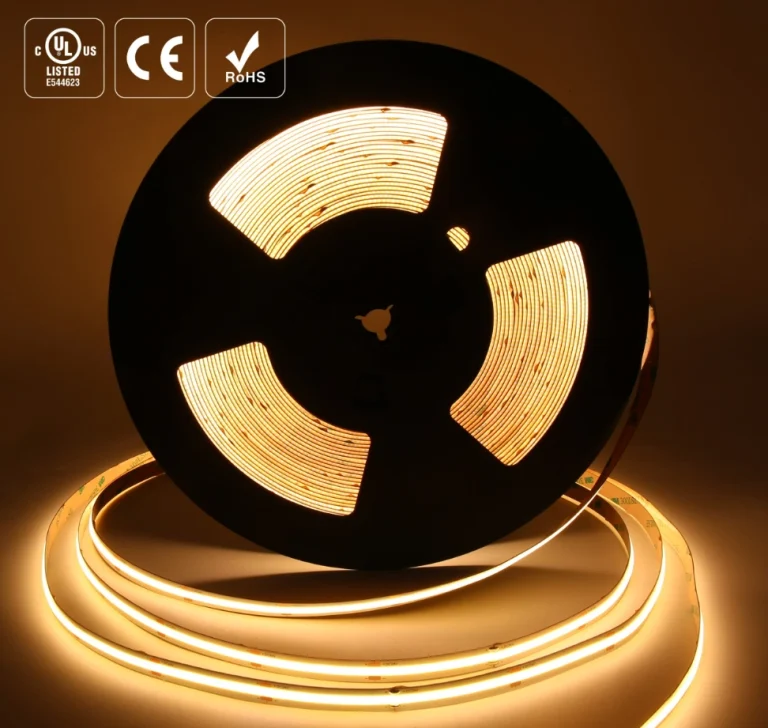
Items meet UL, CE, RoHS, and other world rules. This fits projects in Europe, North America, and the Middle East, where rules stand firm.
Support for OEM and Custom Layouts
Raymates backs OEM and ODM ties, easing changes to voltage, power level, board scale, or pattern sense for set jobs. This bend often splits smooth fitting from pricey reworks.
Conclusion
Twisted lighting plans no longer stay rare. They form part of daily business and building tasks. LED sheets give a useful path to manage complex forms, tidy borders, and broad lit areas without adding needless steps to fitting.
By stressing sliceable patterns, firm links, and task-fit builds, LED sheets lower dangers while boosting creative room. With picks like lensed and matrix forms, Raymates supplies gear that fits true job needs over book stats.
For creators and workers handling custom shapes, LED sheets stand not just as a strip swap. They often feel the more fitting choice.
FAQ
Q1: Can LED sheets handle curved or uneven surfaces?
A: Yes. Flexible LED sheets can follow gentle curves and uneven planes, especially when installed behind diffusing materials. The key is proper mounting and spacing.
Q2: Is it safe to cut LED sheets on site?
A: When cutting follows the marked cutting points, LED sheets are designed to remain electrically stable. Clean tools and careful handling help avoid damage.
Q3: How do LED sheets compare in lifespan to LED strips?
A: With proper power supply and heat management, LED sheets typically match or exceed the lifespan of LED strips, especially in large backlighting applications where load is more evenly distributed.