Backlighting holds an important place in today’s architecture, retail setups, and decorative lighting. It ranges from glowing stone walls to branded lightboxes in shops, and the effectiveness of backlighting truly influences the appearance and atmosphere of any space. In earlier times, numerous projects depended on fluorescent tubes, stiff LED bars, or cumbersome lighting panels. Those setups functioned adequately, yet they carried restrictions in terms of size, heat generation, and creative options.
With ongoing progress in lighting technology, very slim LED sheet options are emerging as a favored choice. Firms like Raymates, a worldwide LED lighting producer holding ISO9001 quality standards along with global approvals such as UL, CE, ETL, and RoHS, have worked on adaptable LED lighting setups that make setup simpler while boosting light quality. Through offerings like the Lensed LED Sheet and Matrix LED Sheet, current backlighting can achieve greater thinness, adaptability, and smoother incorporation into intricate designs.
Why Are Traditional Backlighting Methods Becoming Outdated?
Prior to the arrival of LED sheet technology, the majority of backlighting arrangements depended on fluorescent tubes, edge-lit panels, or inflexible LED strips. Such systems found common use in signage, lightboxes, and building features. However, as demands for design sophistication increased, their drawbacks stood out more clearly.
Bulky Structures and Limited Design Flexibility
Conventional lighting frequently demands substantial lightboxes or ample mounting areas. Fluorescent tubes and rigid LED modules require sufficient clearance to disperse light uniformly, which often leads to deeper enclosures or additional diffusers.
This issue arises prominently in contemporary interior planning. Builders and creators nowadays favor slender surfaces, including backlit marble tops, slim shop racks, or ornamental stone sections. Oversized lighting units simply fail to suit these uses effectively.
LED sheets address this challenge by minimizing the depth of the light origin. Numerous adaptable LED sheets span just a handful of millimeters in thickness, so they can position behind substances like acrylic, glass, or natural stone without altering the overall design framework.
Higher Energy Consumption and Maintenance Costs
An additional concern with conventional lighting involves power usage. Fluorescent setups and earlier light origins typically draw more electricity yet yield less practical light.
Within business venues like hotels, shops, or exhibit areas, illumination often operates for extended periods daily. Consequently, energy expenses accumulate rapidly over time. Upkeep also plays a role, as older arrangements necessitate more regular swaps.
Current LED sheets employ efficient LED chips that transform a larger portion of energy into visible light. As a result, this approach lowers running expenses while ensuring robust illumination levels.
Short Lifespan and Uneven Lighting Performance
Inconsistent illumination represents a frequent drawback in legacy backlighting setups. Hotspots and shadowy zones emerge when light origins sit too distant from one another. This problem shows up particularly behind see-through materials like marble or onyx.
LED sheets work to spread light more consistently over a given area. Accurate LED placement aids in removing noticeable shadows or intense spots. Premium LED sheets further provide extended durability, commonly achieving about 50,000 hours of use prior to any clear drop in brightness.
What Makes LED Sheets a Game-Changer for Modern Backlighting?
The emergence of LED sheets has transformed how lighting experts handle backlighting initiatives. Rather than adapting to cumbersome light origins, experts can now embed lighting straight into the makeup of a surface.
Ultra-Thin Structure and Flexible Installation
Among the primary benefits of LED sheets lies their slim build. The majority of LED sheets gauge only 1–3 mm in depth, substrate included.
This quality renders them straightforward to place behind panels, worktops, storage units, and exhibit fixtures. Frequently, the sheet attaches to a surface via adhesive or fastening clips, followed by linking to a power driver.
Moreover, adaptability permits the sheet to curve gently to align with rounded surfaces. Such a feature proves handy in ornamental building work, where illumination typically traces contours instead of linear paths.
Uniform Illumination With Precise LED Spacing
Even light spread remains essential for backlighting uses. Should the lighting prove irregular, the whole surface might appear amateurish.
LED sheet panels feature meticulously managed LED intervals. Consequently, this setup generates smooth and balanced light over the panel. Upon placement behind semi-transparent substances like acrylic or stone, the outcome yields a gentle radiance instead of apparent dots.
Superior panels additionally deliver strong color accuracy, usually with CRI figures near 90 or higher, so hues and patterns display more authentically.
Energy Efficiency and Long Service Life
LED sheets construct for sustained performance. When compared to conventional lighting, LED methods draw less power while generating more light per unit of energy.
The extended durability further cuts down on swap and repair tasks. In business settings where lighting embeds within walls, ceilings, or furnishings, reduced replacements create significant savings across years.
How Does the Lensed LED Sheet Improve Backlighting Performance?
Various backlighting endeavors call for distinct lighting strategies. Certain surfaces demand greater intensity or broader light coverage, particularly when the panel positions at a distance from the material.
Optical Lens Technology for Wider Light Distribution
The Lensed LED Sheet from Raymates incorporates tiny optical lenses atop each LED. These lenses assist in expanding the light across a bigger zone.
Since the light directs and scatters more effectively, the arrangement can brighten broad surfaces using fewer LEDs. Thus, this enables maintainers to sustain intensity even with the light source set back from the panel.
Ideal Solution for Onyx, Marble, and Translucent Stone
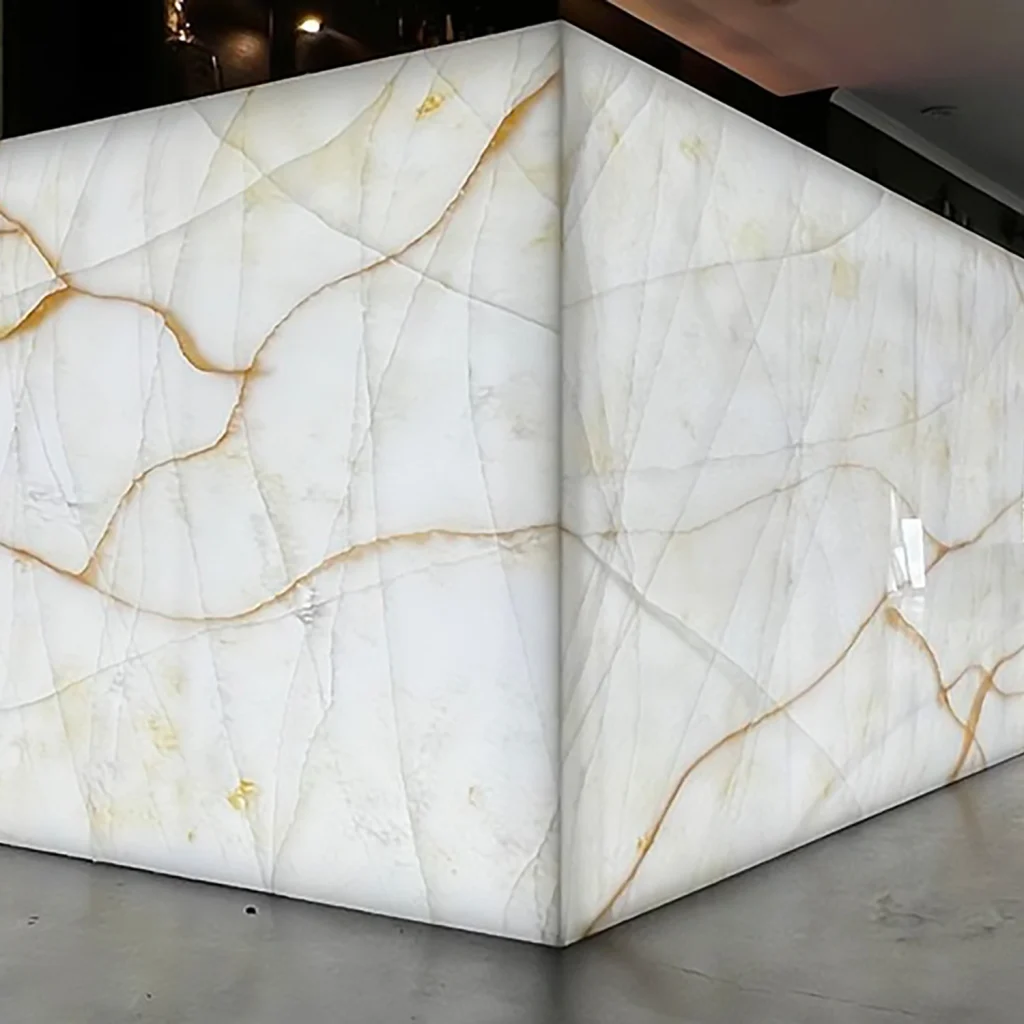
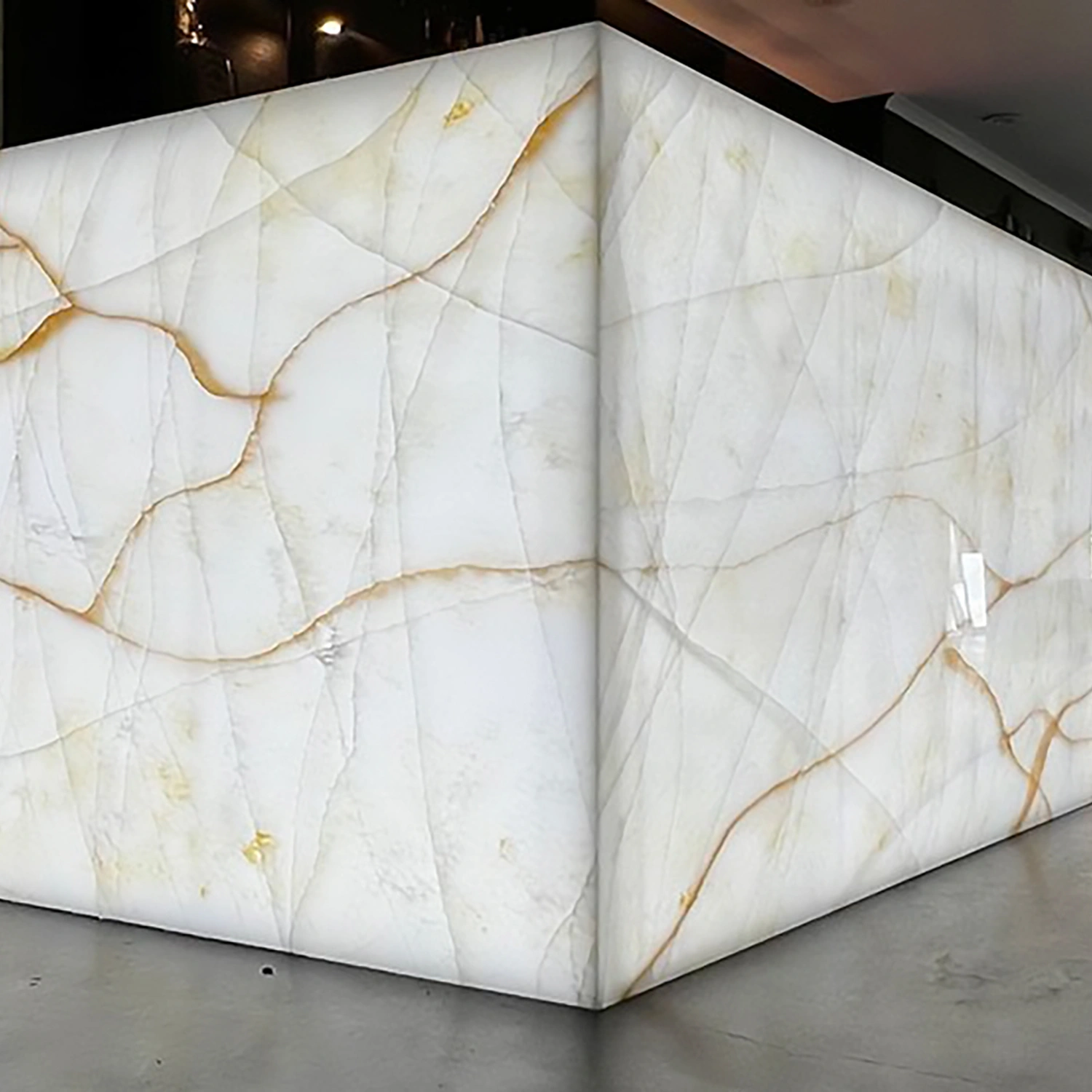
Illuminated stone ranks as one of the leading trends in building lighting these days. Substances like onyx, quartz, and marble turn visually captivating when light passes through them.
Yet, these substances possess thickness and thus need potent, uniformly spread illumination. A basic LED panel might not always supply the required intensity.
Lensed LED sheets tackle this matter by directing light more potently through thick substances. The effect produces a more even radiance spanning the full stone face.
Reliable Brightness and Long-Term Stability
Business lighting ventures require dependability. Those installing seek systems that deliver steady output for years without abrupt breakdowns.
Raymates fabricates LED lighting goods under rigorous quality oversight. The firm follows ISO9001 operational guidelines and performs complete checks prior to dispatch.
This degree of production supervision aids in upholding steady brightness, dependable links, and prolonged item longevity.
Why Is the Matrix LED Sheet Ideal for Custom Lighting Projects?
Although certain lighting ventures emphasize intensity, others need versatility in dimensions and arrangement. Shop exhibits, glowing racks, and expansive ad lightboxes commonly feature odd forms or vast areas. Segmented LED sheets present a sensible fix for these scenarios.
Modular Grid Layout for Easy Cutting and Shaping
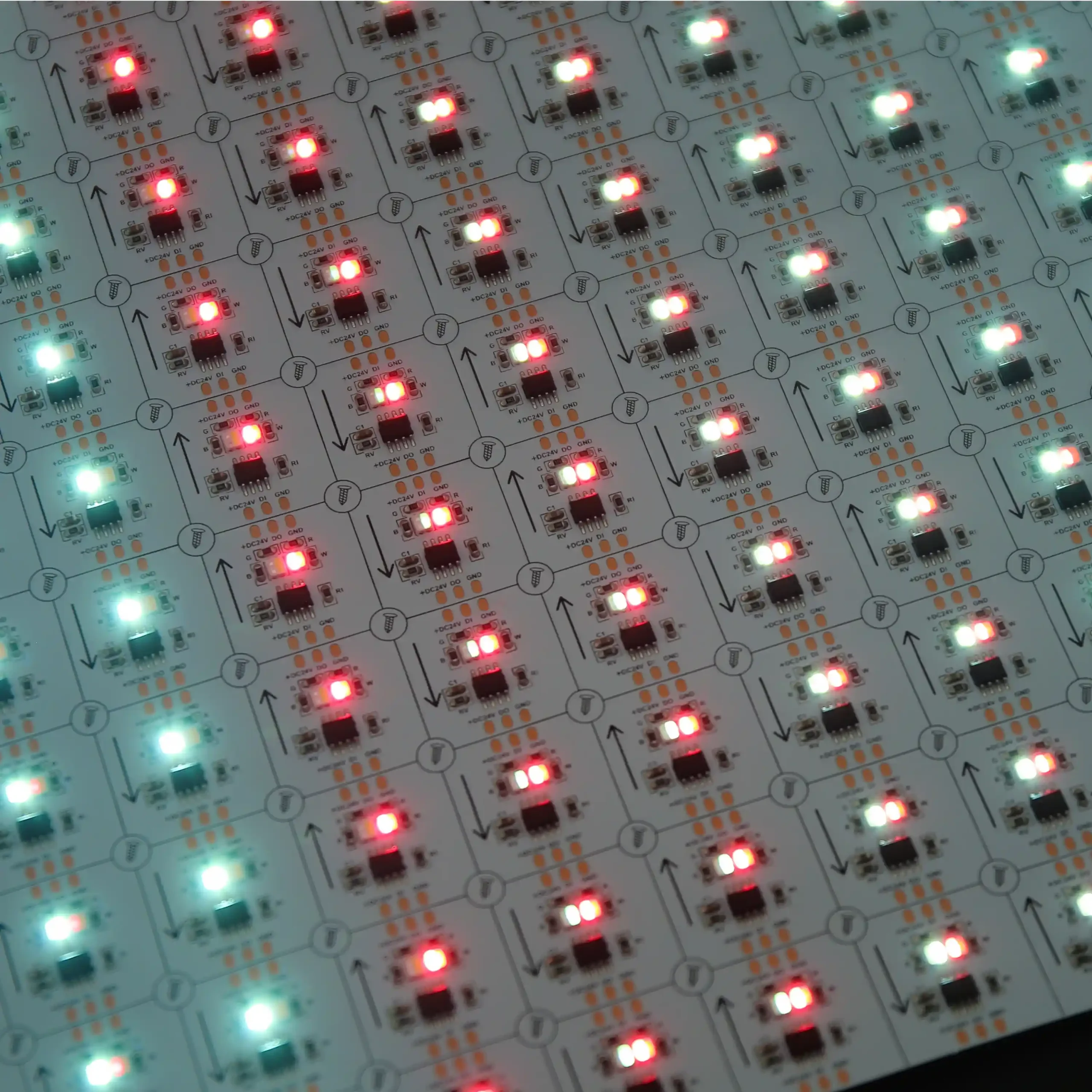
The Matrix LED Sheet by Raymates displays a grid-pattern arrangement that permits slicing the sheet into minor parts. This approach simplifies matching the lighting to tailored forms.
Those installing can crop the sheet along designated lines, thereby minimizing unused material and easing the setup process.
Seamless Expansion for Large Backlit Surfaces
Vast lighting areas pose difficulties with standard LED panels. Several units must align precisely to prevent obvious joints.
Matrix LED sheets enable linking various sections to form an unbroken lighting zone. Hence, they suit expansive exhibits, wall sections, or trade lightboxes well.
Consistent Brightness for Retail and Display Lighting
Shop lighting calls for steady intensity over item exhibits. Irregular lighting can render goods less appealing.
LED sheets furnish balanced illumination across the full exhibit space. This proves particularly valuable in beauty counters, gem displays, and presentation racks, where lighting shapes product perception directly.
How Will LED Sheets Shape the Future of Backlighting Design?
Lighting patterns shift toward slimmer builds, combined planning, and power-saving setups. LED sheet methods align neatly with these three paths.
Integration With Smart and Energy-Efficient Lighting Systems
Today’s lighting arrangements frequently encompass dimming options, intelligent drivers, and automated elements. LED sheets link readily to these arrangements.
Therefore, this permits creators to modify intensity, craft ambiance lighting, or blend illumination with structure management systems.
Growing Demand in Retail, Hospitality, and Architecture
Backlighting uses keep broadening across multiple fields. Shops employ glowing racks and signs. Lodgings fit ornamental lighting behind stone barriers and service bars. Workplaces incorporate backlit sections to foster a fresh interior vibe. Adaptable LED sheets render these plans simpler to execute.
Innovative Solutions From Raymates LED Lighting
Raymates has engaged in the LED field since 2009 and ships lighting goods to over 30 nations.
Via steady product advancement and worldwide trade insights, the firm supplies lighting fixes for business exhibits, building ventures, and ornamental systems. Items like the Lensed LED Sheet and Matrix LED Sheet illustrate how present backlighting can grow slimmer, more luminous, and simpler to set up.
As building design progresses further, adaptable LED sheet methods will probably assume a bigger part in forming lighting’s tomorrow.
FAQ
Q1: What is an LED sheet used for?
A: LED sheets find common application in backlighting tasks like lightboxes, display racks, glowing stone sections, signs, and ornamental building lighting. Their slim form suits setups with tight space constraints.
Q2: How long do LED sheet panels last?
A: Premium LED sheet panels generally offer a durability of about 50,000 hours before brightness fades slowly. This extended use cuts upkeep and swap expenses in business initiatives.
Q3: Are LED sheets easy to install?
A: Yes. Most LED sheets include cut guides and adaptable builds, so installers can adjust the panel to fit needs. Mounting occurs via adhesive, clips, or aluminum frames based on the venture’s plan