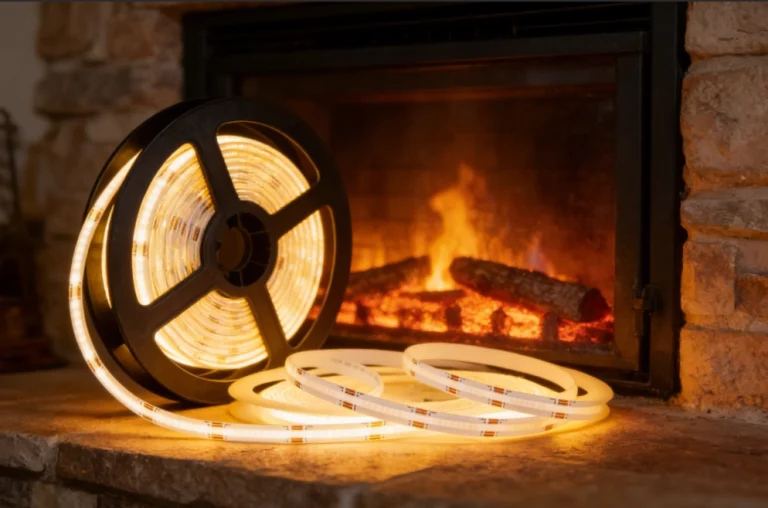
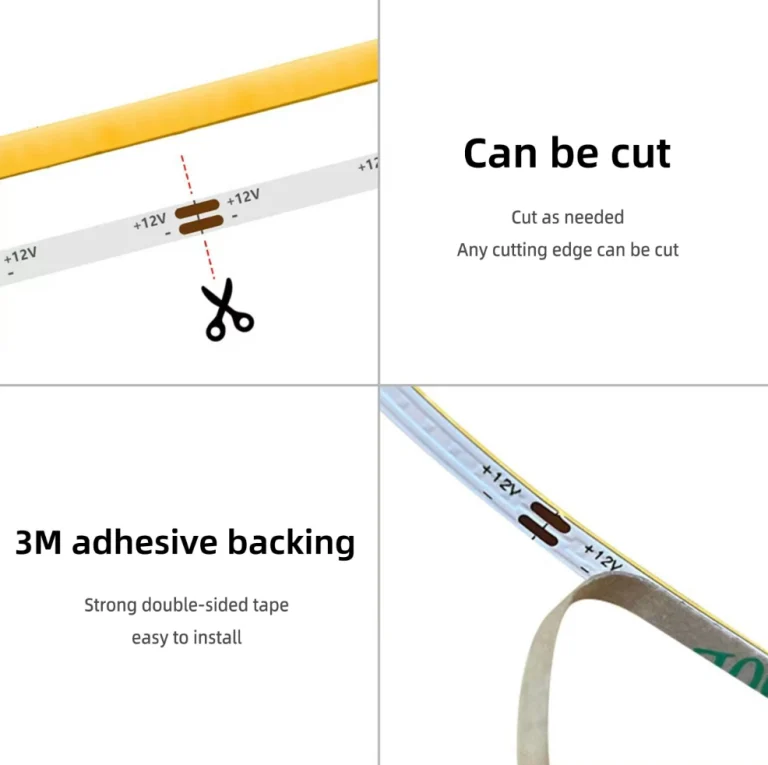
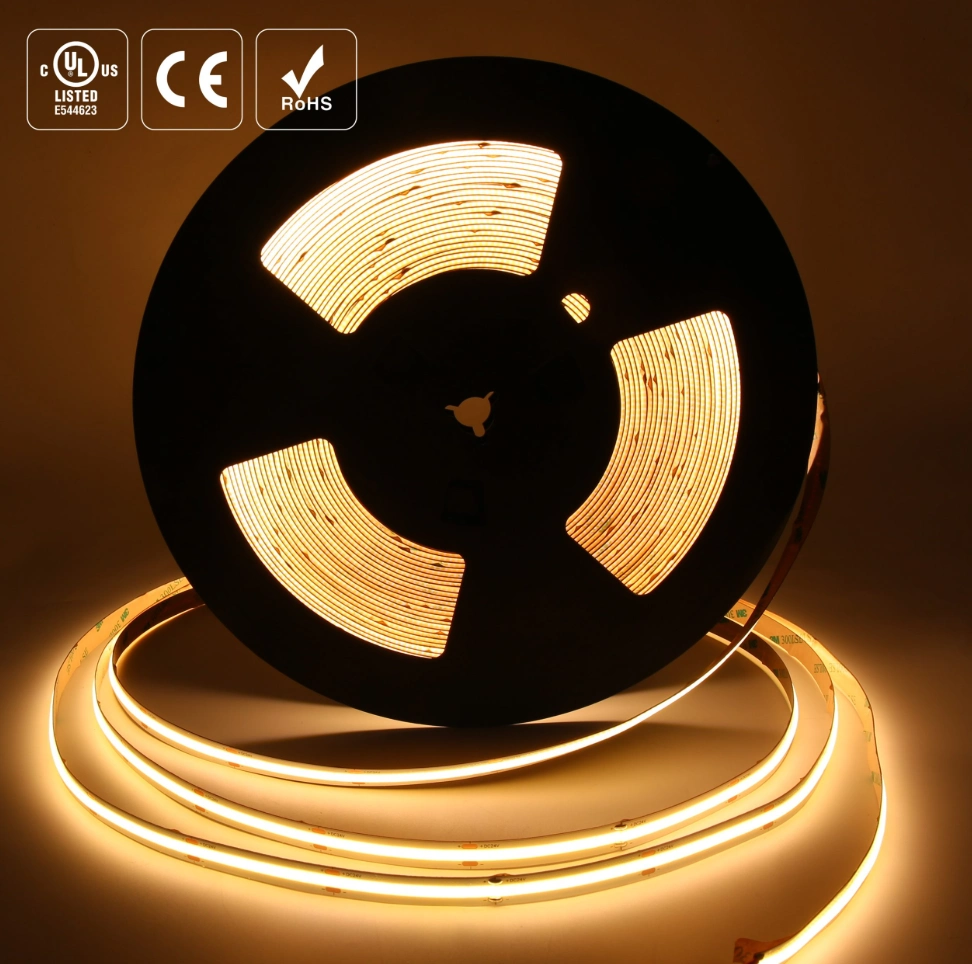
The LED sector is progressing rapidly these days. When examining market statistics, particular innovations including COB (Chip on Board) and Neon Flex appear destined to expand steadily right up to 2032. As 2026 draws nearer, individuals no longer pursue simply intense brightness alone. Rather, they seek illumination that blends naturally into structural elements, providing even, clever, and power-thrifty performance. Raymates entered this arena back in 2009, acquiring essential patents related to LED strip developments and fulfilling major worldwide approvals such as UL, CE, and RoHS, thereby matching the precise requirements of buyers around the globe.
Will Seamless Illumination Become the New Standard?
Come 2026, the conventional dotted pattern of LED strips will undoubtedly appear rather antiquated. Professionals and enthusiasts alike are now striving for that pristine, premium radiance commonly observed in elegant hotels or up-to-date office areas.
Eliminating the Dotting Effect with COB Technology
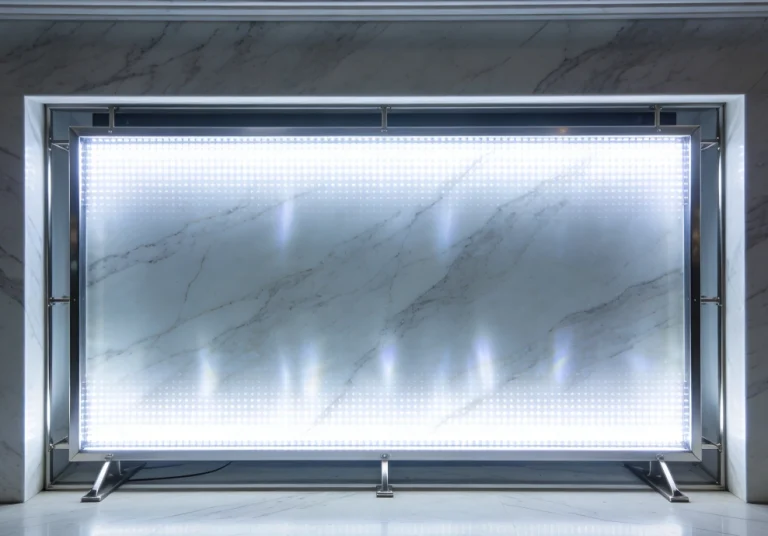
Typical LED strips frequently exhibit irritating shadowy patches amid the individual lights, which can disrupt the overall visual flow. However, COB technology addresses this concern effectively by affixing the chips right onto the substrate, thereby generating a prolonged, uninterrupted radiance. This advancement represents a significant improvement for materials that bounce back light, such as marble or finished lumber, in situations where spotting discrete bulbs proves undesirable. Moreover, for users intending to improve their current arrangements, Raymates supplies the Super Long COB Strip, a solution that manages extensive spans without any gaps in the emitted glow.
Achieving Design Flexibility in Tight Spaces
Contemporary furniture tends to slim down considerably, while structural features sharpen noticeably, meaning that cumbersome light strips simply fail to meet expectations any longer. Consequently, there exists substantial interest in exceptionally slender lighting options capable of concealing themselves within minute channels or along narrow cabinet borders. The Mini Size COB Strip stands designed specifically for these purposes, incorporating board dimensions as compact as 3mm in width. As a result, it stays largely unnoticeable until powered on, rendering it highly suitable for tracing furniture contours or highlighting stair risers.
Simplifying Large-Scale Architectural Installations
Illuminating an entire bridge or a sprawling warehouse demands avoiding the hassle of placing power units every few meters, which complicates the process unnecessarily. Instead, upcoming trends emphasize prolonged extensions that maintain both simplicity in assembly and uniformity in appearance. Therefore, employing options like the Super Long COB Strip results in reduced cabling requirements and fewer complications throughout the preparation stage, particularly beneficial for substantial undertakings in retail zones or production plants.
How Is Personalization Redefining Modern Spaces?
During the forthcoming few years, lighting solutions will transcend mere switching between active and inactive states. In fact, they will center on influencing emotional responses through light and modifying output to suit ongoing activities precisely at that instant.
Enhancing Ambiance with Full Spectrum Customization
The broader smart home movement continues to gain momentum, prompting users to desire lights that adjust according to personal sentiments or daily temporal shifts. This includes selections ranging from comforting warm white tones for relaxation areas to dynamic, hue-altering configurations for nightlife spots, offering virtually limitless choices. Furthermore, Raymates’ Colorful COB Strip permits extensive interaction with the complete RGB palette, enabling the conversion of mundane environments into truly impressive settings.
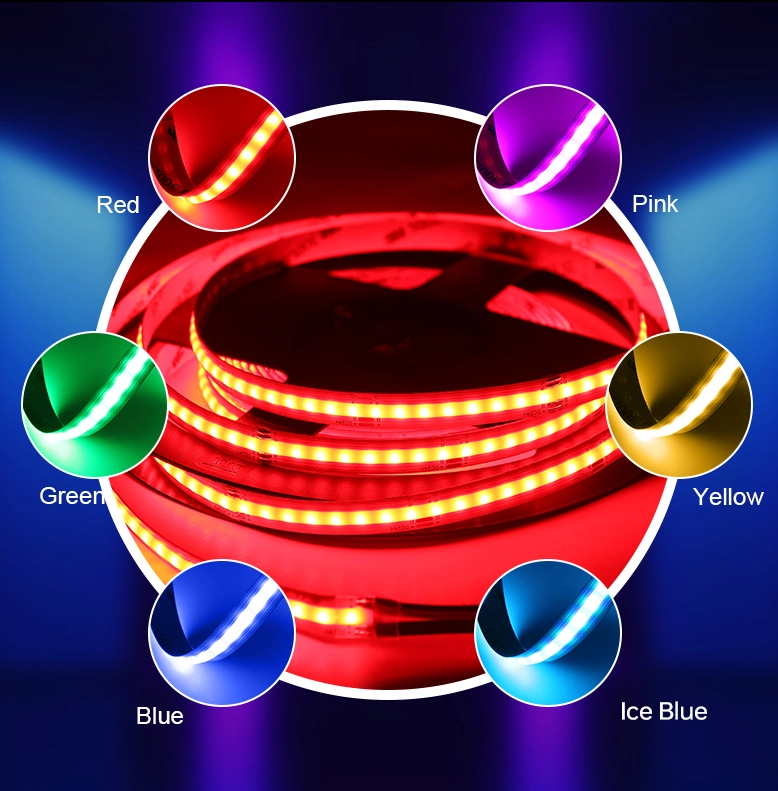
Prioritizing Visual Comfort and High Color Accuracy
By 2026, heightened emphasis will fall on the appearance of shades beneath man-made illumination sources. Specifically, the High Color Rendering Index (CRI) transitions from a desirable addition to an indispensable element, above all for commercial outlets aiming to present merchandise authentically. Notably, the majority of Raymates strips attain a CRI level of 90 or beyond, ensuring that interior hues preserve their natural vibrancy and avoid seeming drained or subdued.
Integrating Smart Controls for Adaptive Environments
At present, integration with IoT (Internet of Things) permeates various aspects of technology. Thus, the capability to adjust brightness levels or alter tints remotely via mobile devices or voice-activated systems establishes the fundamental expectation. Additionally, selecting appropriate control units and remote devices simplifies locating the ideal equilibrium between visually appealing interiors and reductions in electricity expenses.
Can Industrial-Grade Durability Meet Residential Needs?
Consumers grow weary of purchasing low-cost strips that cease functioning after merely six months of use. Hence, a considerable movement emerges toward incorporating sturdier, industry-standard substances even within straightforward domestic applications.
Utilizing Silicone for Superior Environmental Resistance
Low-end plastic enclosures gradually discolor to yellow and develop fissures over time, particularly when positioned close to windows exposing them to direct light. For this reason, premium silicone gains widespread adoption, as it maintains flexibility, resists fading, and copes with solar exposure far more effectively. Such attributes prove invaluable for exterior signage or landscape lighting installations, where fluctuating weather conditions persistently test equipment resilience.
Implementing Strict Quality Management Systems
No one wishes to receive a delivery of lighting products only to discover that a significant portion operates defectively upon arrival. Leading fabricators thus commit to stringent protocols like ISO9001 and conduct thorough verifications for every unit before dispatch from the facility. Because Raymates inspects each product meticulously, recipients can trust that the items received function reliably and conform to international safety benchmarks including UL and ETL.
Offering Versatile Voltage Options for Global Compatibility
Needs change depending on where you live or what the job involves, so you might require small 3V battery-powered strips or strong 230V ones. Having these different power choices means solid tech works for small fun projects or huge storage light jobs.
FAQ
Q1: What is the benefit of COB over regular SMD strips?
A: COB (Chip on Board) places the LED chips closer together, which wipes out the visible spots found in older strip types. As such, it makes a smooth, steady light line that gives a much cleaner feel, particularly in modern building designs.
Q2: Can I use these light strips for outdoor projects?
A: Yes, provided one ensures the strips feature appropriate waterproof classifications such as IP65 or IP67 and incorporate resilient substances like silicone. Silicone performs exceptionally well in external settings because it withstands ultraviolet rays effectively and avoids discoloration from solar exposure.
Q3: Why should I care about the CRI (Color Rendering Index)?
A: CRI provides insight into the authenticity of color representation under given lighting conditions. A superior CRI value (90+) holds particular importance when illuminating creative works, culinary displays, or commercial goods, since it safeguards against colors appearing lackluster or distorted.