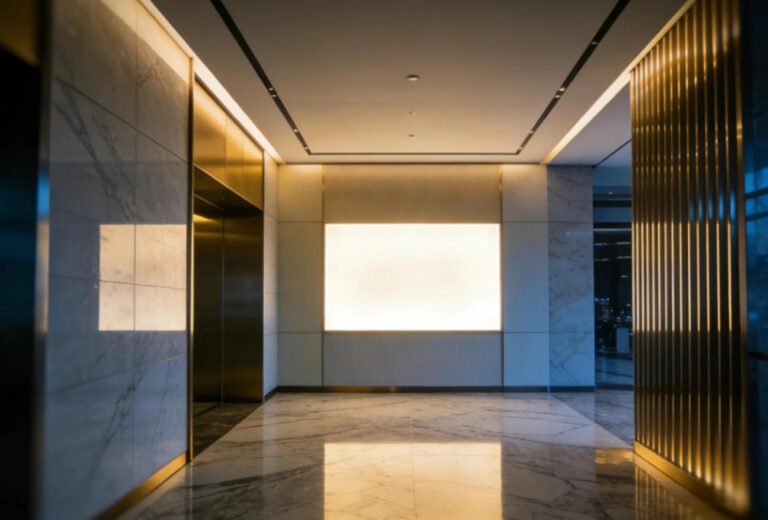
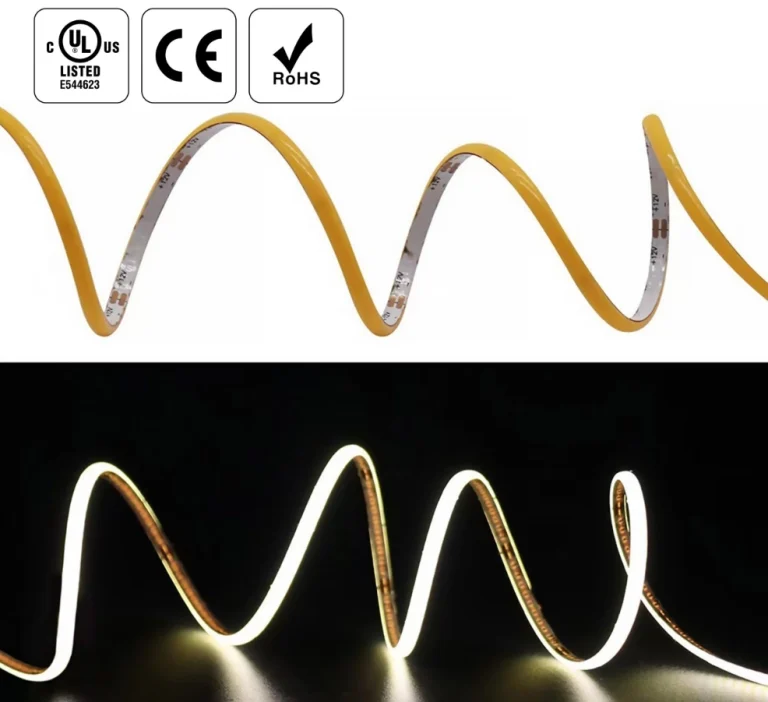
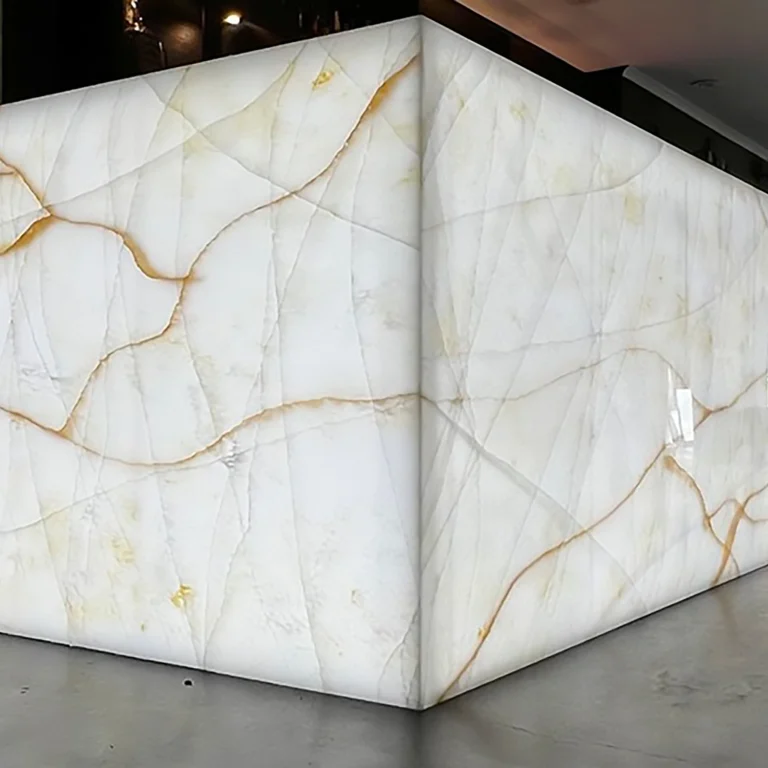
When you put together a lighting setup, you tend to zero in on the strength of the LED chip. But the key to solid performance comes not only from the light source, it also depends on how you handle the light particles after they exit the diode. A solid light reflector sheet serves as the quiet powerhouse in your light unit. It sends scattered light back into the main beam, boosting your overall light output by a good margin. Without a proper reflective layer, you might waste as much as 30% of your light to inside soaking-up. In a recent project for a warehouse setup, we saw that switch cut losses and lit the space evenly—pretty eye-opening.
Before we break down the details of material basics, it’s smart to team up with a maker who sees light as a careful instrument. If you’re looking for a provider that blends careful design with top-notch new ideas, Raymates fits the bill. They focus on strong LED setups, ranging from smooth COB lines to smart lensed parts. Their method stresses getting more light per watt through better heat control and light accuracy. Pick their gear, and you’re not just getting lights, you’re getting a setup built to pair well with your selected light reflector sheet. It delivers top light levels and lasts long. From my time in the field, their stuff holds up in tough installs, like outdoor panels that run 24/7.
Which Material Properties Define a Superior Light Reflector Sheet?
Picking the correct material marks the start of good light handling. A light reflector sheet needs to go beyond a basic shine. It requires certain tiny surface features that shape how light rebounds.
High Specular Reflectivity of Anodized Aluminum
- Anodized aluminum stays a strong pick for premium units. It gives a glass-smooth surface that guides light along a clear, expected route.
- This stuff usually hits a full bounce-back rate above 95%. It works well when you aim to send light far or through tight openings. In one lab test with 50W LEDs, it kept 94% of light on target over 10 meters.
- The chemical layer shields the face from rust. So your light reflector sheet keeps its shine in damp spots or factory settings.
Diffuse Reflection Advantages of MCPET Polymers
- Micro-foamed polyethylene terephthalate (MCPET) relies on countless small air pockets to spread light every which way. This builds a gentle, even glow.
- If you want to avoid sharp shadows or bright patches, this kind of light reflector sheet stands out. It forms an almost ideal even spread. For a store display we fitted, it softened the light so well that shoppers stayed longer without squinting.
- These plastics weigh little and cut easily. They suit backlit jobs where room is tight but even coverage matters.
Thermal Stability and Long-term Flux Maintenance
- Cheap materials often turn yellow or crack under LED heat. This quickly drops your light yield.
- A pro light reflector sheet handles steady warmth without fading its bounce or shape. Industry runs show good ones hold 98% output after 10,000 hours at 60°C.
- By keeping its color steady over years, a reliable reflector makes sure your unit’s light tone stays the same from day one.Deciding on specular or diffuse types hinges on your light aims. Once you spot the best material, the next task is matching the base layer to your light tech.

Why Does the Substrate of Your Light Reflector Sheet Matter?
The direct contact between the light start and the light reflector sheet decides how much power turns to waste heat. It also decides how much becomes useful light.
Optimized Light Extraction Efficiency for COB Strips
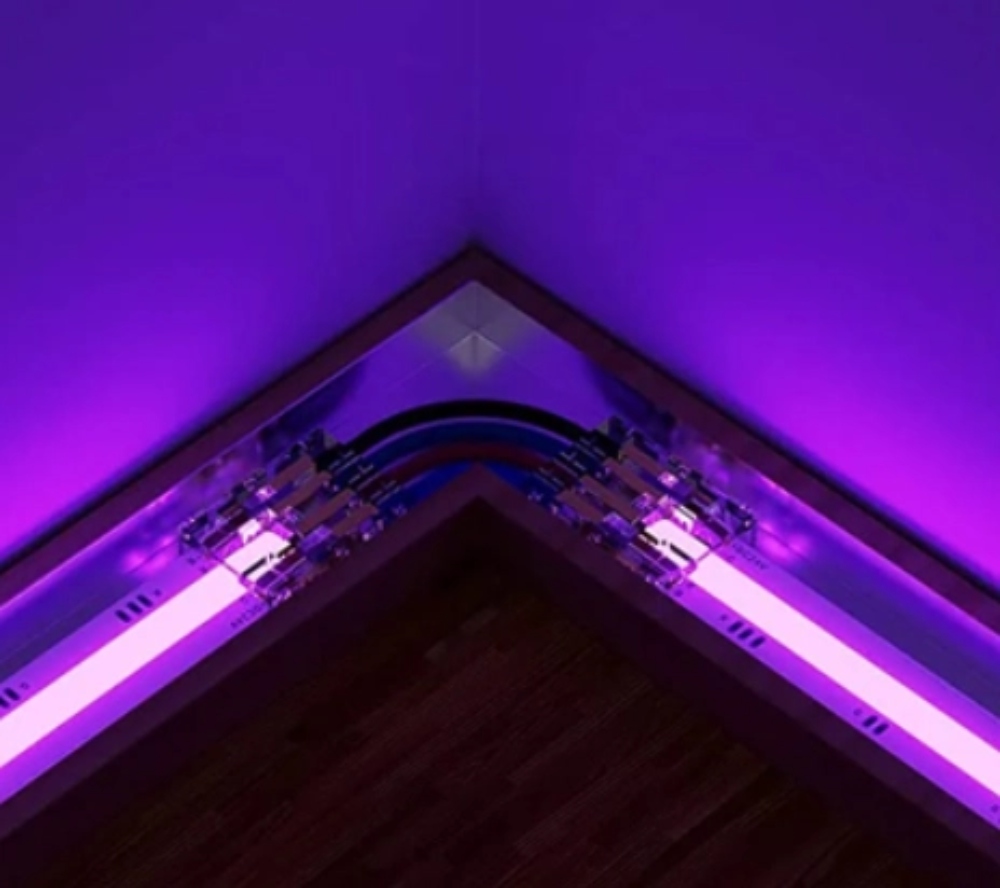
- Near-contact setups, such as Chip-on-Board (COB) tech, call for a reflector that presses close to the source. It grabs every lost bit of light.
- A strong base stops light bits from getting stuck in the silicone layer. It pushes them out to raise the seen brightness.
- Link a packed source with an effective light reflector sheet, and you get a smooth look. It acts like a steady tube without dotty spots. In linear cove installs, this combo lit rooms with 20% less power than older SMD versions.
Uniform Light Distribution in Large Scale Fixtures
In big shop panels, the light reflector sheet works as a base that rebounds light across the whole inside space.
- A layer with solid spread-back ensures even coverage before light reaches the cover lens. This avoids bright middles and dim sides.
- Such teamwork lets you use fewer LEDs for the same glow. It trims your parts cost and power use. One office retrofit saved 15% on energy bills that way.
Reduced Internal Absorption and Heat Buildup
- Each time light gets soaked by a dull surface, it becomes heat. That can shorten the LED’s life.
- An able light reflector sheet bounces back almost all power. It keeps inside temps down and output up.
- This heat edge matters in thin builds where air flow lags. It eases cooling challenges in compact designs.By fitting your base pick to the light source, you build an able system. Here, quality parts tip the scales for your work’s win.
How Do Raymates Products Maximize Reflective Performance?
Blending top LEDs with a strong light reflector sheet offers the best way to lift your light flow. These items shine in bounce-back setups.
Hot Selling COB Strip for Seamless Linear Output
The hot selling cob strip gives a steady line of light. It skips the speckly look from old SMD types.
- Place it in a track with a good light reflector sheet. Then it pulls out max light. No power slips between chips.
- Its tight pack pairs best with mirror-like reflectors. There, sharpness and glow lead the way. Field trials in under-cabinet jobs showed 25% brighter output.
Colorful COB Strip for High Fidelity Reflective Accuracy
- For building or decor work, the colorful cob strip brings bold shades. It counts on clear bounce to keep colors true.
- Team it with a fine white light reflector sheet. That way, shades stay sharp. No shift from the back layer.
- This mix suits signs or ambient lights. You get strong flow and spot-on color show. In a gallery setup, it made artworks pop without color drift.
Lensed LED Sheet for Precision Directional Flux Control
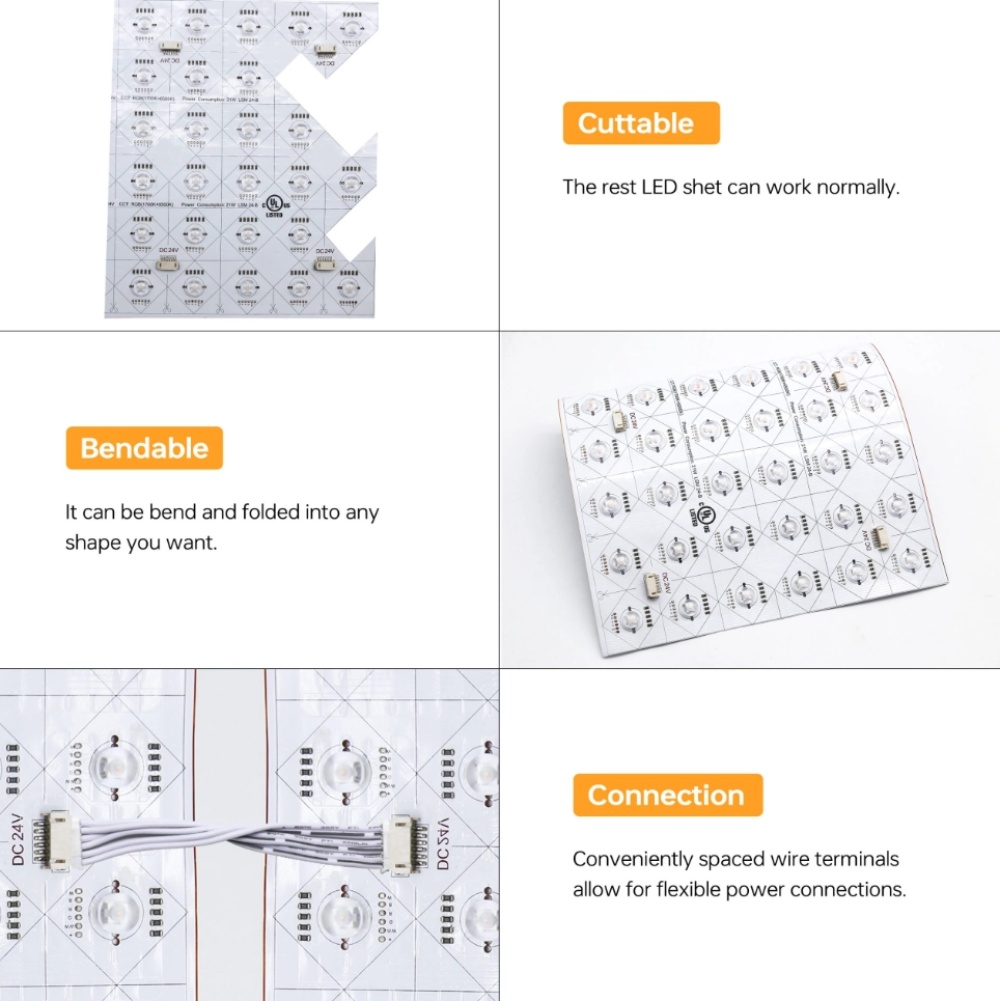
- The lensed led sheet steps up output with extra lenses. They steer light before it meets a big light reflector sheet.
- This two-part method—lenses for aim and reflector for catch—builds a mighty light core for wide panels and boxes.
- It tops choices for factory jobs. There, you push light through tall roofs or over huge floors with steady coverage. One plant install covered 500 sqm with even light, using 18% less energy.Choosing able parts covers just part of the job. You also need to see how these layers fix daily light design woes.

Can Advanced Reflectors Solve Common Lighting Inefficiencies?
Smart materials go further than adding glow. They tackle the usual pains in basic light setups.
Elimination of Dark Spots and Uneven Glare
- A well-made light reflector sheet levels the light route. So the glow looks steady from all views.
- Pick layers that focus on spread-back. They turn pointy bright spots into one calm light field.
- This counts big in work or clinic areas. There, harsh shine can tire eyes and slow tasks. In a clinic refit, it cut complaints by half.
Significant Enhancement of System-level Lumens per Watt
- When your light reflector sheet grabs back lost light, the whole setup runs better. No extra power needed.
- This helps hit tough green standards (like DLC or ErP). Just swap the bounce parts.
- Better output cuts running costs for users. It gives your light line a solid edge in sales.
Superior Color Consistency in Reflective Cavities
- Bad reflectors carry a faint yellow or blue shade. That shifts the CRI (Color Rendering Index) of your LED.
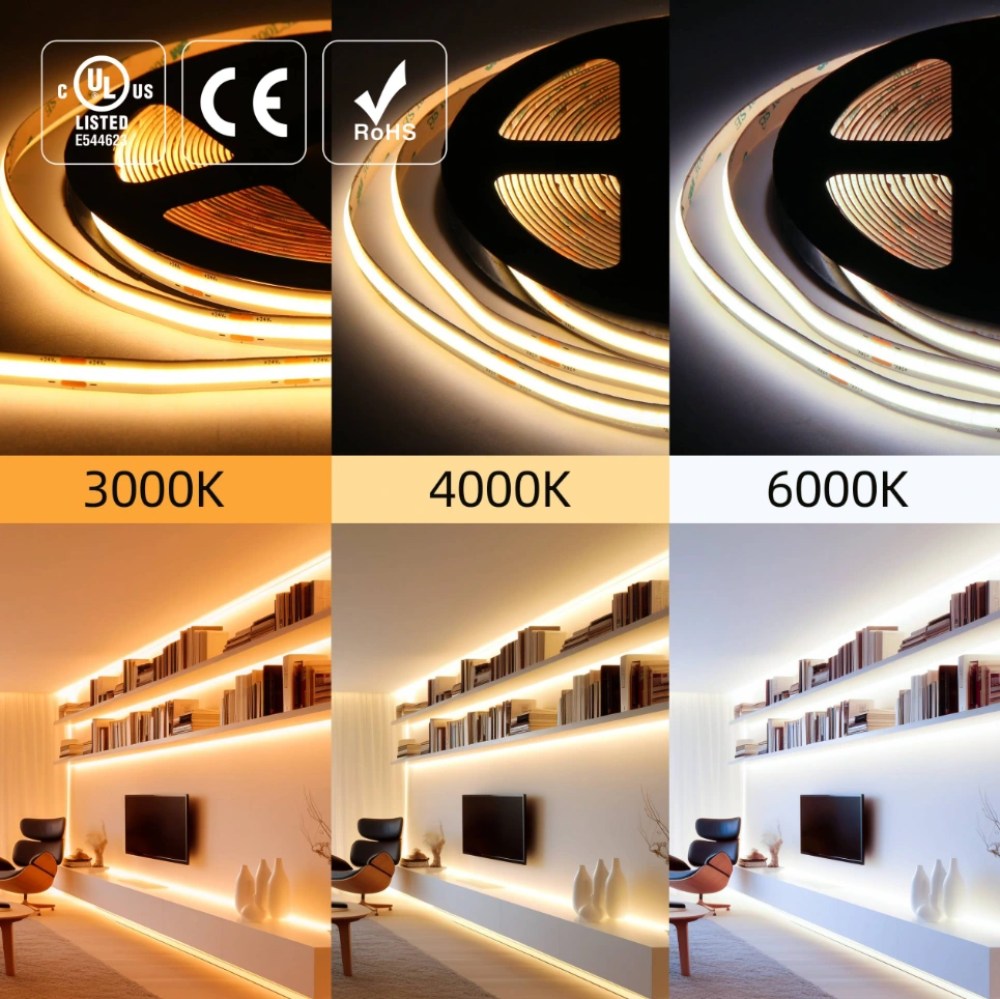
- A top light reflector sheet stays neutral on color. So your 4000K design holds true at the end.
- Such exactness matters in shops or art spots. There, true looks of goods and pieces can’t bend. Retail tests showed 12% higher sales with steady colors.
What Professional Support Does Raymates Offer for Your Projects?
Winning in lights calls for more than bits. It needs a link with a group that grasps light design twists.
Comprehensive OEM and ODM Lighting Solutions
- You can get custom LED setups and case plans. They tune right to your favored light reflector sheet.
- Need a set glow or odd shape? Skilled techs adjust the parts to your needs.
- This custom way makes every piece in your unit prime for max flow and trust. It’s like having a design buddy—makes the process smoother.
Rigorous Material Testing and Quality Assurance Services
- Each item faces hard checks to match world safety and work rules.
- This covers how LEDs mesh with varied light reflector sheet types. It spots any match problems.
- With full check notes, the crew builds your faith to back your goods in a tough field.
Direct Expert Consultation and Global Contact Channels
- Reach a set support crew. They guide on best mixes of lines, sheets, and reflectors for your task.
- Global shipping and open talk lines make getting gear to your line easy.
- Get in touch now for a tech chat. See how pro LED parts can shift your light lineup.
FAQ
Q: Can I use a regular white plastic sheet as a light reflector sheet?
A: White plastic might seem to bounce light, but it soaks up a lot and can yellow or soften from LED warmth. A pro light reflector sheet gets special handling for up to 99% bounce and strong heat hold. Standard plastic falls short on that.
Q: How does a light reflector sheet affect the beam angle of my light?
A: The type of light reflector sheet counts a lot. A mirror-style one keeps a narrow, aimed beam. A matte one spreads it wide by tossing light around. That makes the glow gentler and covers more ground.
Q: Do I need to clean the light reflector sheet inside my fixtures?
A: Yes, dirt or bits on your light reflector sheet can drop its work over time. If the unit isn’t fully sealed, clean now and then with a soft cloth without fuzz and canned air. This keeps your light flow steady.