A pop in can light gives a clean ceiling look, but it does not solve every lighting problem. If your project needs a soft line along a ceiling groove, cabinet edge, shelf, bar counter, or display wall, a single recessed fixture may leave broken light points or uneven shadows. That is why many buyers compare can lights with a pop light strip before confirming the layout. The right choice depends on the lighting effect, installation space, total run length, driver plan, and how the area will be used after installation.
What Is a Pop In Can Light
A pop in can light is a recessed fixture placed inside a ceiling opening. The visible part is usually the trim or light surface, while the fixture body stays above the ceiling. It is often used in homes, offices, shops, corridors, and reception areas where the ceiling needs to stay flat and simple.
This type of fixture works well when the project needs focused downward light. But it is not the same as strip lighting. A can light creates a single lighting point. Strip lighting creates a continuous line. That difference affects the final look, installation work, and purchasing plan.
A Recessed Fixture Placed inside a Ceiling Opening
The ceiling must have enough depth for the fixture body, wiring, and safe installation. If the ceiling space is limited, or if the design uses shallow decorative grooves, a recessed can light may be hard to fit. This is one reason designers and contractors often consider linear LED options for modern interiors.
A Focused Downlight for Task and General Lighting
A pop in can light is useful above a desk, sink, counter, hallway, or entrance. It gives direct brightness from above. For task areas, this can be practical. For soft ambience, shelf lighting, or long hidden lighting lines, it may not give the same result.
Why Are Buyers Comparing Can Lights With Strip Lighting
The real comparison is not only about the fixture type. It is about light effect. Many projects now need both basic brightness and decorative lines. That is why the phrase pop in can light vs led strip lighting appears in buyer research. Buyers want to know which product fits the space, not just which one looks newer.
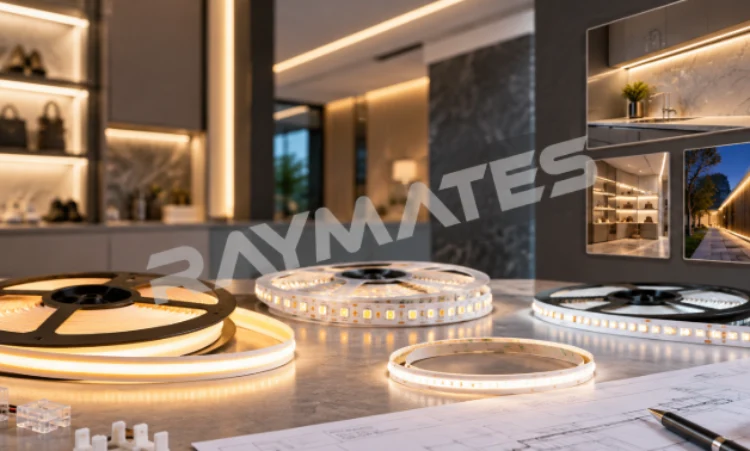
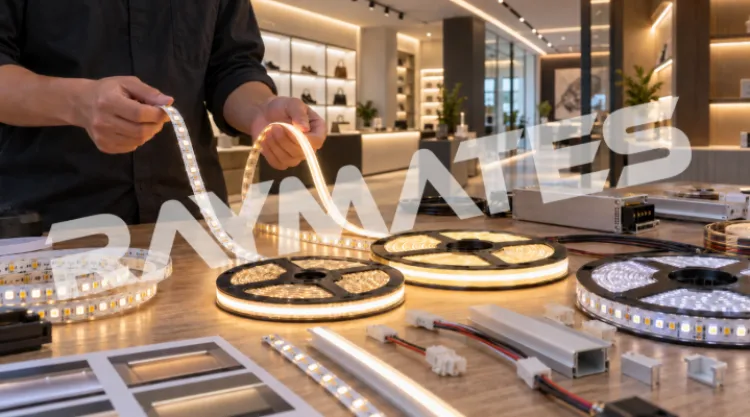
Raymates manufactures LED strip, COB strip, LED sheet, LED neon light, high voltage LED strip, wall washer, and lighting accessories for residential, commercial, and project use. For project buyers, this matters because strip lighting is rarely only about the strip itself. The driver, connector, cutting length, adhesive surface, aluminum profile, and installation method all affect the final result.
Why Buyers Use Linear Lighting in Modern Interiors
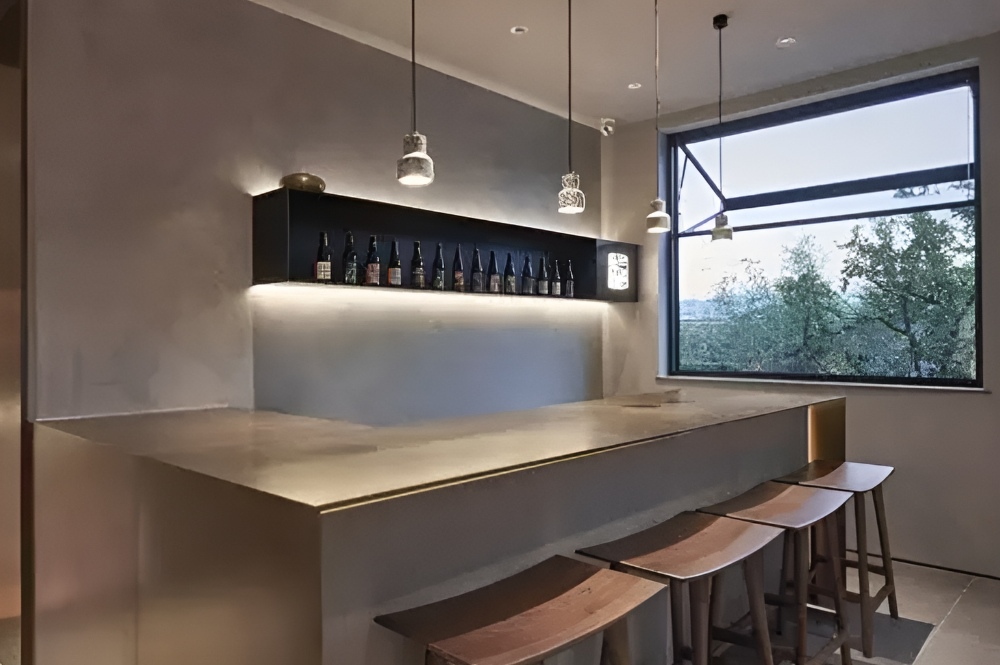
The advantages of using pop light strip are clear in hidden lighting areas. It can follow ceiling grooves, shelf edges, cabinet lines, wall panels, and counters. Instead of several separate light points, the space gets a softer and more continuous glow.
This is useful in retail stores, hotels, bars, kitchens, and display areas. A shelf should not have dark sections. A corridor should not look broken. A counter or decorative wall often needs a clean light line rather than one bright spot.
Raymates Hot Selling COB Strip for Clean Everyday Lighting
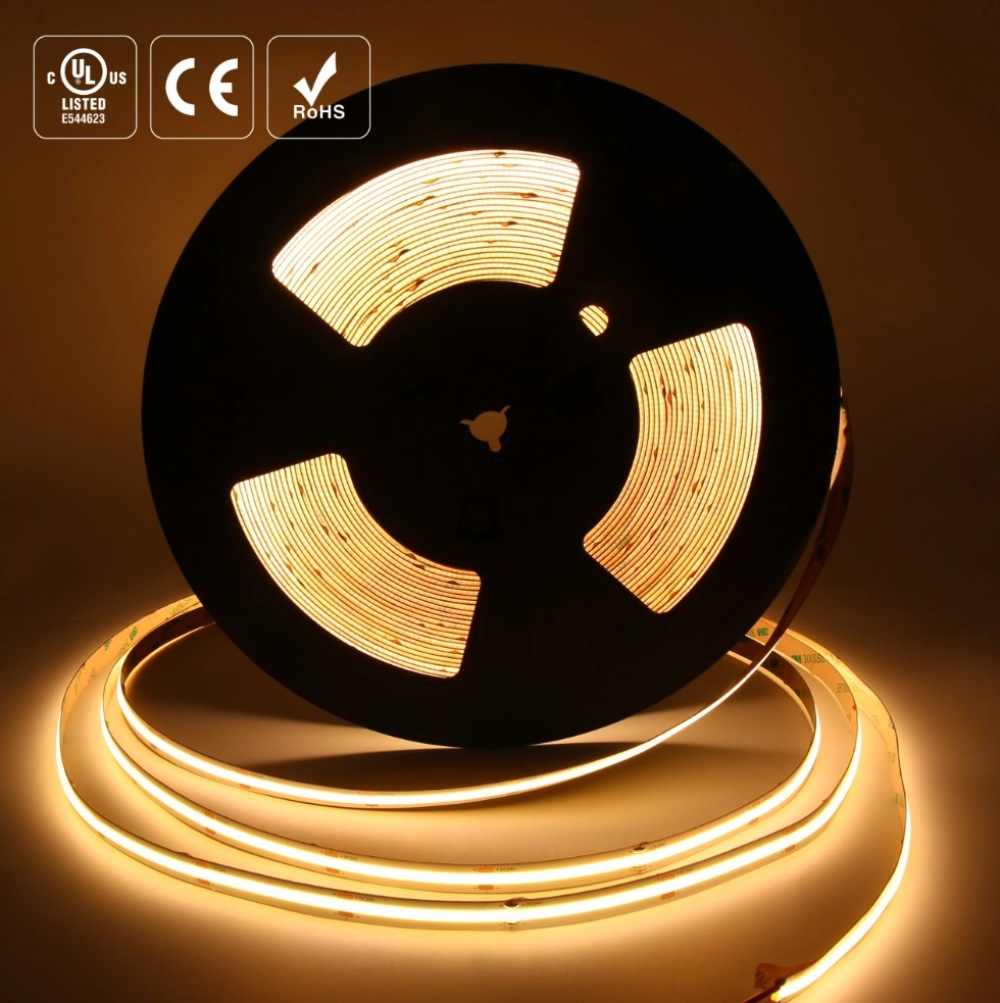
For many standard recessed grooves, cabinet edges, furniture lines, and display shelves, Hot Selling COB Strip is a practical starting point. It is a COB LED strip made for continuous, no spot lighting. Its product page lists flexible strip construction, 3M adhesive backing, DC12V/24V options, 180 degree beam angle, and CRI >90.
This type of COB strip is suitable when the buyer wants a clean line and does not want visible LED dots. It can be used in many daily project layouts, but the installer still needs to confirm groove size, driver position, mounting surface, and heat management before installation.
When Should You Choose Linear COB Lighting Instead of a Can Light
Can pop light strip replace traditional recessed light? Sometimes yes, but not in every case. If the space needs direct light over a fixed point, a can light may still be needed. If the goal is indirect light, decorative light, or a long visual line, COB strip lighting is often easier to design.
Different Lighting Effects for Different Spaces
A can light sends light downward. A COB strip sends light along a line. In restaurants, showrooms, hotel corridors, and living spaces, the two can even work together. Downlights handle general brightness. Strip lighting adds depth, shape, and atmosphere.
For B2B buyers, the better decision is based on the use of the space. A product display shelf needs even light across the shelf length. A kitchen counter may need both task lighting and cabinet lighting. A hotel corridor may need soft continuous lines to avoid dark gaps.
Product Choice Based on Brightness, Layout, and Installation Space
For short ceiling grooves or compact furniture lighting, a standard COB strip may be enough. For long corridors, wide ceiling coves, or extended commercial shelves, buyers should pay close attention to voltage drop, wiring effort, and power feed points.
This is where Super Long COB Strip becomes more suitable. It is designed for long-distance lighting runs. The product page describes 10/20/30 meter run options, no dark spot lighting, flexible COB structure, and 3M adhesive tape. It is a better fit for long coves, corridors, and large shelf lighting projects where frequent connection points would make installation messy.
| Project Need | Better Lighting Direction | Reason |
| Focused light over one fixed area | Pop in can light | Stronger downward beam |
| Hidden ceiling glow | COB strip lighting | Softer continuous line |
| Retail shelf or cabinet lighting | COB strip lighting | Easier to follow the full length |
| Hotel, bar, or restaurant atmosphere | Mixed lighting | Downlight plus decorative line |
| Long corridor or ceiling cove | Super long COB strip | Fewer connection points |
Where Does Linear Strip Lighting Fit in Real Projects
A strip is not only for ceilings. Many buyers choose it because the project has narrow slots, curved surfaces, cabinet edges, display shelves, or decorative panels. Before choosing a model, measure the installation area and check the surface material. A good strip can still fail if the driver is wrong, the adhesive surface is dusty, or the strip is bent too sharply.
Recessed Ceiling and Cove Lighting
For recessed ceiling pop light strip installation, leave enough space for the strip, profile, driver access, and later maintenance. The strip should be hidden from direct view, but not buried so deeply that replacement becomes difficult.
Ceiling grooves and cove lighting are common use cases for COB strips. An aluminum profile can help protect the strip, improve the finish, and keep the light line neat. The power supply should also be placed where future checking is still possible.
Cabinets, Shelves, and Display Areas
For buyers searching for a pop light strip for cabinets and shelves, the key point is not only brightness. Even light across the full shelf length matters more. In kitchens, this helps the work area look cleaner. In retail stores, it helps products look consistent from one side of the shelf to the other.
For spaces that need color effects, Colorful COB Strip is more suitable. It fits bars, display walls, entertainment areas, brand counters, and decorative commercial interiors where atmosphere is part of the design goal.
What Should Buyers Check Before Ordering
Do not order only by length. For strip lighting, the right product depends on the full electrical and installation plan. A buyer should first confirm the installation position, total run length, color effect, driver placement, surface material, and control method.
Project Details Buyers Should Confirm First
Before ordering, prepare the basic project details first. The supplier needs to know the installation position, total strip length, groove width, surface material, voltage preference, color temperature, dimming need, and whether the strip will be used in a dry or humid area. If the project has long runs, curved edges, or several lighting zones, send a simple drawing or site photo. This helps avoid wrong driver selection, uneven brightness, visible light dots, weak adhesive fixing, or extra cutting work during installation.
| Detail to Confirm | Why It Matters |
| Total lighting length | Helps plan strip model, power supply, and connection method |
| Groove or shelf size | Avoids choosing a strip that is too wide or hard to hide |
| Voltage and driver position | Reduces unstable lighting and voltage drop risk |
| Color temperature or color effect | Keeps the final space visually consistent |
| Surface material | Affects adhesive fixing and mounting method |
| Dimming or control need | Helps match the right controller and wiring plan |
Driver Matching and Wiring Plan
Driver matching is one of the most common project mistakes. If the driver is too weak, the light may be unstable. If the wiring plan ignores voltage drop, the end of a long run may look darker. For longer runs, ask the supplier to check the power feed method before confirming the order.
Cutting, Mounting, and Maintenance
Check cutting marks before cutting. Do not twist the strip around sharp corners. Clean the mounting surface before using adhesive backing. For cabinets and shelves, test one section before full installation, especially if the surface is painted, oily, rough, or exposed to moisture.
Use a pop in can light when the space needs clear downward brightness over a fixed area, such as a counter, desk, hallway, or entrance. Choose COB strip lighting when the design needs a continuous light line, softer indirect lighting, or a hidden glow around ceilings, cabinets, shelves, bars, and display spaces. For short and clean linear lighting, Hot Selling COB Strip is enough for many projects. For color atmosphere, choose Colorful COB Strip. For long ceiling coves, corridors, or extended commercial shelves, Super Long COB Strip is easier to plan because it is made for longer continuous runs.
Contact Raymates for Project Matching
If your project has long ceiling runs, narrow shelves, color effect requirements, or uncertain driver matching, prepare drawings, total length, voltage preference, installation photos, and application details before sending an inquiry. Raymates can match COB strip, accessories, and customization options based on the actual space. For product selection, sample discussion, or installation detail review, use the project contact page and share as much site information as possible.
FAQ
Q: What is the main difference between a pop in can light and LED strip lighting?
A: A pop in can light gives focused downward lighting from one ceiling point. LED strip lighting gives a continuous line of light. For ceiling grooves, shelves, cabinets, and decorative edges, a pop light strip is often easier to shape around the space.
Q: Can COB strip lighting be used for recessed ceiling installation?
A: Yes. COB strip lighting can be used for recessed ceiling grooves and cove lighting when the groove size, driver, heat control, and wiring path are planned correctly. For long runs, check the power supply position before ordering.
Q: Which Raymates COB strip should I choose for my project?
A: For clean everyday linear lighting, Hot Selling COB Strip is a practical starting point. For bars, display spaces, or decorative color effects, Colorful COB Strip fits better. For long corridors, long coves, or extended commercial shelves, Super Long COB Strip is more suitable.